
Why Do Buildings Collapse?
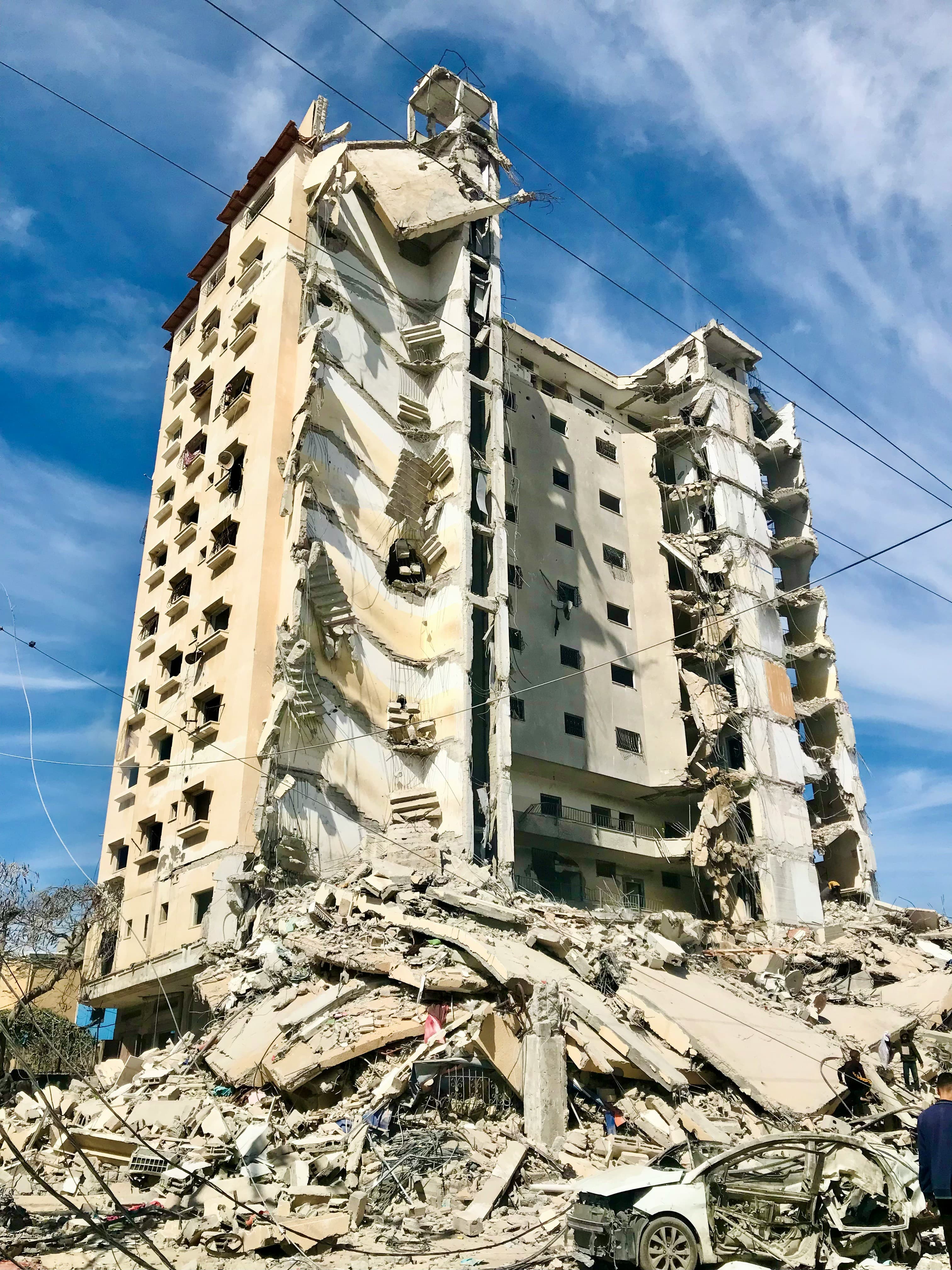
Building collapses are tragic events that often leave communities shocked and grieving. While some disasters result from natural causes like earthquakes or floods, many occur without any obvious warning signs. Here’s why buildings sometimes collapse unexpectedly:
1. Poor Construction Practices
Many collapses stem from substandard materials, rushed construction, or failure to follow engineering guidelines. Weak foundations, inadequate reinforcement, and poor workmanship can lead to sudden structural failure.
2. Lack of Maintenance
Over time, buildings deteriorate due to weathering, rust, and material fatigue. If cracks, water damage, or corrosion go unnoticed or unrepaired, the structure can weaken until it gives way without visible warning.
3. Illegal Modifications
Unauthorized renovations—such as removing load-bearing walls or adding extra floors—can destabilize a building. Without proper engineering oversight, these changes can lead to catastrophic failure.
4. Hidden Structural Flaws
Some defects, like internal corrosion in steel beams or hidden foundation shifts, aren’t easily detectable. By the time signs appear (such as cracks or leaning), it may be too late.
5. Regulatory Failures
In some cases, weak enforcement of building codes or corruption in permitting processes allows unsafe structures to remain standing until disaster strikes.
Preventing Future Tragedies:
✅ Enforce strict construction standards
✅ Conduct regular structural inspections
✅ Educate the public on reporting warning signs
✅ Punish negligence and corruption
Building collapses shouldn’t happen without warning—proper oversight and proactive maintenance can save lives.
