
Why wall cracks?
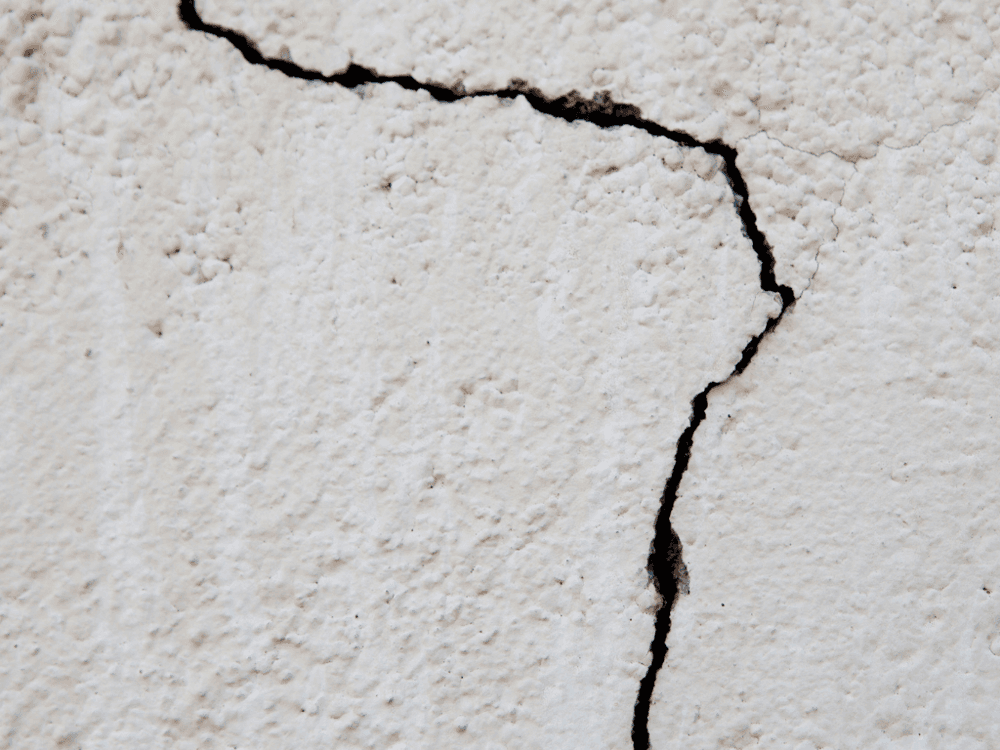
Building cracks can occur due to various reasons, often related to structural stress, material properties, environmental factors, or poor construction practices. Here are the main causes:
1. Shrinkage Cracks
Concrete Drying Shrinkage: Fresh concrete loses moisture as it cures, causing slight shrinkage and fine cracks (common in slabs and walls).
Thermal Expansion/Contraction: Temperature changes cause materials to expand or contract, leading to stress cracks.
2. Settlement & Foundation Issues
Uneven Soil Settlement: Weak or improperly compacted soil can cause the foundation to sink unevenly, leading to cracks in walls and floors.
Expansive Clay Soils: Soil that swells when wet and shrinks when dry can shift the foundation.
3. Structural Overloading
Excessive weight (e.g., heavy machinery, improper design) can exceed the building’s load capacity, causing cracks in beams, columns, or slabs.
4. Poor Construction Practices
Insufficient Curing: Concrete that dries too quickly can weaken and crack.
Low-Quality Materials: Substandard concrete, weak mortar, or inadequate reinforcement (e.g., insufficient rebar) increase cracking risk.
Improper Joints: Lack of control joints in concrete slabs leads to uncontrolled cracking.
5. Environmental Factors
Freeze-Thaw Cycles: Water seeps into cracks, freezes, expands, and worsens cracks (common in colder climates).
Earthquakes & Ground Movement: Seismic activity or nearby excavation can shift foundations.
